
Our team has been working on a series of projects in recent years designed to improve the health of residents in social housing and create greener, cleaner neighbourhoods. Here, Director of Innovation & Net Zero, Balazs Csuvar sets out the wider potential of housing data when allied to health metrics – and invites you to share the ‘trampolines’ in your neighbourhood…
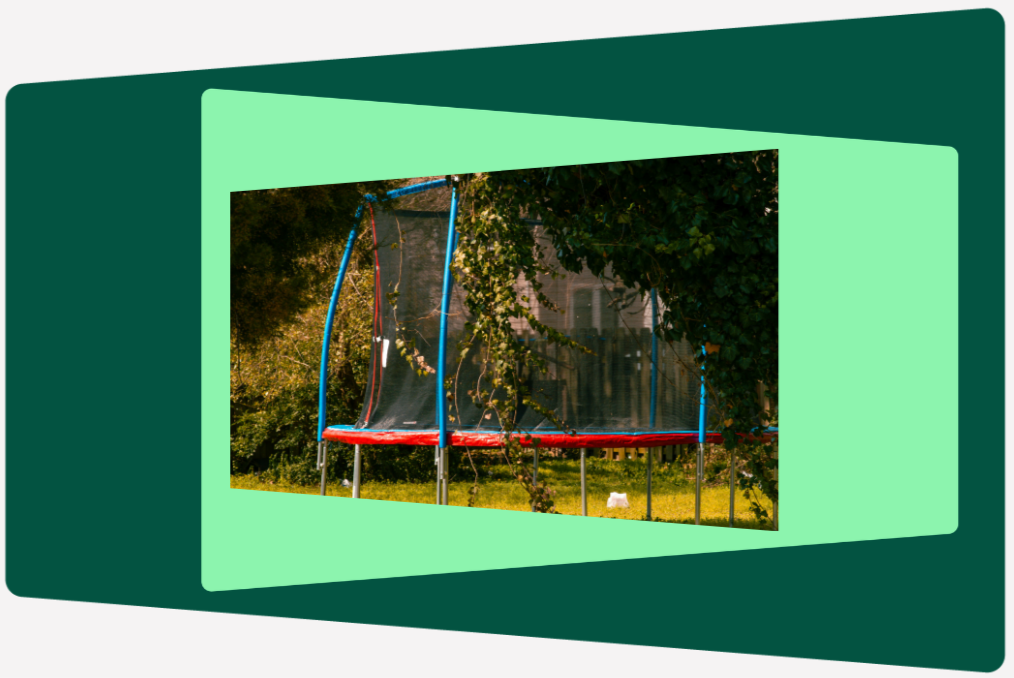
Ask any paediatrician or A&E consultant about garden trampolines and you will likely get the same withering look. For many in the medical profession, they are a public health hazard disguised as harmless fun that accounts for half of all garden play equipment injuries in under-14s. But the paradox is that we, as a society, willingly introduce them into our homes.
The challenge for those of us working in social housing is to identify the ‘trampolines’ we introduce (or don’t remove) from the homes of our tenants. What are the design choices or maintenance habits we continue to deploy that are invisible health traps? Not the clear Category 1 hazards that we monitor, but anything in a home that is fine for most, but could be dangerous for specific cohorts.
We encourage you to consider the architectural or planning equivalents of the trampoline: hazards that drive predictable injuries, mental stress and chronic illnesses among our residents. The intention is that if we can better identify them, we can ‘remove’ them, reducing injury and suffering for our tenants and saving billions for the NHS.
What if the data we hold on housing stock could be mapped against injury data to identify clusters and prioritise work that improves health?
Our proposition is to integrate some of the tools and systems developed through our housing asset management work (see our Home by Home plan) with healthcare data, such as A&E admissions or GP respiratory diagnoses, against our property dashboards. This allows us to pinpoint where the propensity for certain conditions might cluster, highlighting housing estates that require closer attention. To remain close to our original ‘trampoline’ hypothesis, we have focused on burns and falls for over 65s.
Unaddressed fall hazards in homes cost the NHS over £435 million a year - they are the number one reason for attending A&E for over 65s. The vast majority of falls happen inside the home, with the main causes being clutter, poor lighting, uneven or slippery surfaces, dizziness and poor vision.
One interesting point we’ve seen in the data is that maisonettes have a slightly higher rate of hospitalisations compared to other housing types. Whilst the data is not conclusive and requires further scrutiny, it’s the sort of insight we can identify and make actions to improve upon. If we think of the narrow stairs going up to the apartment, there might be a simple mechanism to identify and address.
What could we do?
Let’s consider how we might design these hazards out of our stock. Awareness and a menu of potential mitigating actions for officers to consider might be a great first step. We can focus on reducing catastrophic falls by mandating low-level, motion-activated LED lighting in stairwells, securing floor boards or carpets. We can replace standard vinyl with high-friction, anti-microbial wet-room flooring that can stop slips and limit the build-up of pathogens. In case falls happen, smart devices and alarms can be better implemented to support vulnerable residents.
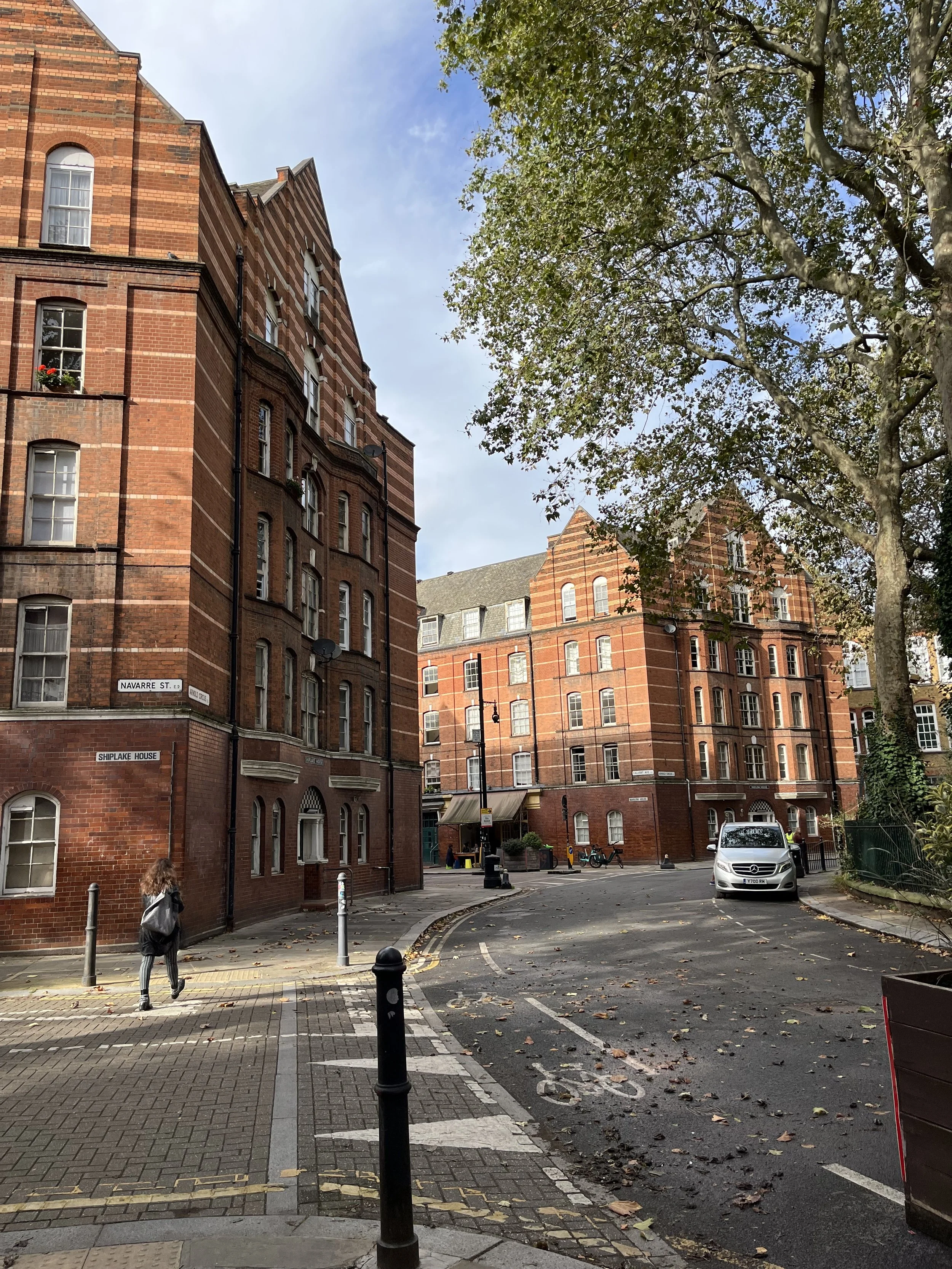
Arnold Circus, East London
Since the nineteenth century, the history of social housing has been a timeline of innovations and architecture designed to improve living standards and public health. Today, we have the technology and data at our disposal to enable the next shift towards more resilient, greener, healthier neighbourhoods. In many of our projects we use dashboard analytics to prioritise which areas require the most urgent interventions – we see the next move as a broader framework where housing capital works are directly correlated with health outcomes.
We welcome your suggestions
At the moment, we’re interested in the wider potential of our work with data and housing to be applied to specific health and safety issues. With that in mind, we want to work with housing professionals, environmental health officers and residents to identify which overlooked features in the home are waiting to be designed out.
